
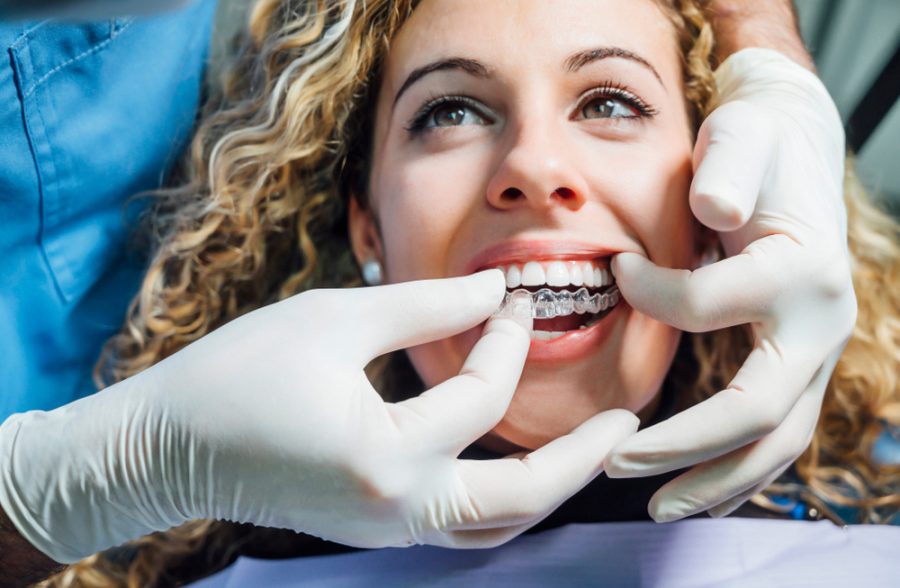
Braces are a fantastic way to achieve a beautiful, straight smile, but they also require extra attention when it comes to oral hygiene. Whether you’re wearing traditional metal braces or opting for Invisalign, maintaining clean teeth and gums is crucial for your overall dental health during the treatment process. Here are some essential tips to help you maintain excellent oral hygiene with braces.
Why is Oral Hygiene Important with Braces?
Braces create small spaces and areas where food particles can easily get trapped. Without proper cleaning, these particles can lead to plaque buildup, gum disease, and tooth decay. In some cases, poor oral hygiene during orthodontic treatment can even cause your teeth to discolor, making it harder to enjoy your bright, beautiful smile after the braces come off.
Good oral hygiene will not only help prevent these issues, but it will also ensure that your braces work effectively, allowing your treatment to progress as planned. Let’s dive into the best practices for keeping your teeth and braces clean.
1. Brush After Every Meal
With braces, brushing your teeth becomes even more essential. Food can get stuck between your brackets and wires, which means it’s important to brush your teeth thoroughly after each meal. Brushing after eating will help remove food particles and prevent plaque buildup.
Use a soft-bristled toothbrush and fluoride toothpaste. Be sure to gently brush around your braces, along the gum line, and on the surfaces of your teeth. You should aim to brush for at least two minutes to ensure that all areas are cleaned properly.
If you can’t brush after every meal, rinsing with water or mouthwash can help remove some food particles until you can brush properly.
2. Use a Floss Threader or Orthodontic Floss
Flossing with braces can be tricky, but it’s a crucial part of your oral hygiene routine. Regular floss can’t easily reach between the wires and brackets, so you’ll need a special tool like a floss threader or orthodontic floss.
Flossing should be done at least once a day. Take extra care to floss around each bracket, between your teeth, and under the wire. This will help remove plaque and debris that your toothbrush can’t reach.
3. Consider an Interdental Brush
An interdental brush is a small, cone-shaped brush that can reach between your teeth and braces, cleaning areas where regular toothbrushes can’t. These brushes are especially helpful for cleaning around brackets and wires, ensuring that plaque and food particles are thoroughly removed.
Interdental brushes are easy to use and can be found at most drugstores. They’re a great complement to your regular toothbrush and flossing routine.
4. Rinse with Mouthwash
Using a fluoride mouthwash is a great way to kill bacteria, prevent plaque buildup, and protect your teeth and gums. Rinse after brushing and flossing to keep your mouth fresh and help fight against cavities.
Look for a mouthwash that is alcohol-free to avoid dryness in your mouth. Mouthwash can also help to reduce any inflammation or irritation in your gums caused by braces.
5. Avoid Certain Foods
Certain foods can make it harder to maintain good oral hygiene with braces. Sticky, sugary foods, such as gum, caramel, or taffy, can easily get stuck in your braces and increase the risk of cavities. Hard foods like popcorn kernels, nuts, and ice can also damage your braces or cause discomfort.
While it’s okay to enjoy a variety of foods, it’s essential to avoid these items, especially if they are difficult to clean off your braces.
6. Visit Your Orthodontist Regularly
Regular check-ups with your orthodontist are crucial for maintaining your oral hygiene and ensuring your braces are in good condition. Your orthodontist will check for any issues with your braces, like loose wires or broken brackets, and make adjustments to ensure your treatment is on track.
During your appointments, your orthodontist or hygienist will also perform a professional cleaning to remove any plaque buildup that may have accumulated around your braces.
7. Keep Your Gums Healthy
Healthy gums are just as important as healthy teeth when wearing braces. Make sure to gently brush your gums each time you brush your teeth. If your gums become swollen or bleed easily, it may be a sign of gingivitis, a mild form of gum disease. If left untreated, gingivitis can lead to more serious gum issues, so it’s important to address it early.
How We Can Help
At My LA Braces, we understand that maintaining good oral hygiene with braces can feel overwhelming at times. That’s why our team is always here to help guide you through your treatment. Whether it’s offering tips on proper brushing techniques or scheduling regular check-ups, we’re committed to supporting you every step of the way.
If you ever have any questions about your braces or need assistance with your oral hygiene routine, don’t hesitate to reach out. We’re here to ensure that your smile stays healthy and beautiful throughout your orthodontic treatment!