
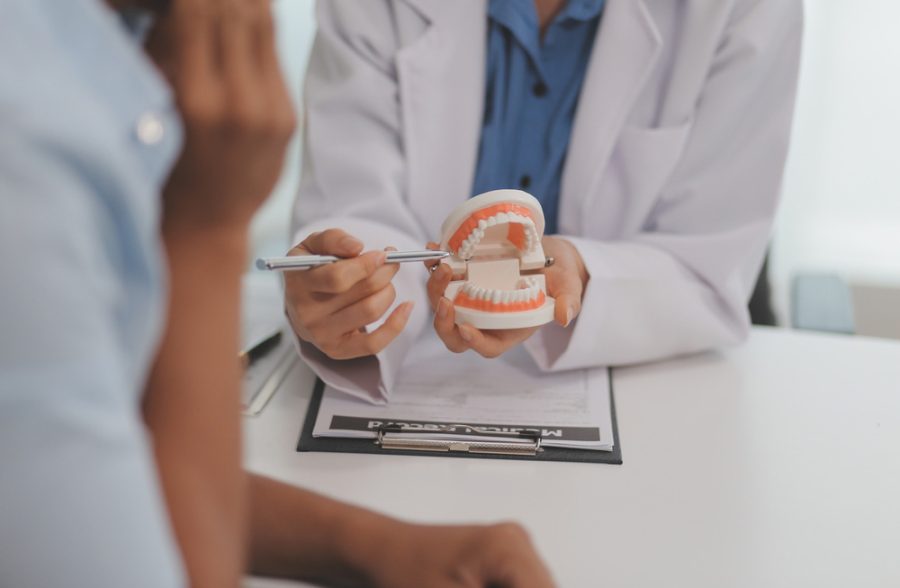
If you’re considering braces or Invisalign for yourself or your child, the first step is usually an orthodontic consultation. For many patients, this visit can feel a little intimidating simply because they don’t know what to expect.
Will the orthodontist take X-rays? Will you get braces the same day? Will you learn the total cost of treatment?
The truth is that an orthodontic consultation is designed to be informative, comfortable, and helpful. It allows the orthodontist to evaluate your teeth and bite while giving you a chance to ask questions and understand your treatment options.
By the end of the appointment, you should have a clear understanding of whether orthodontic treatment is recommended and what the next steps might look like.
We’ll walk through what typically happens during an orthodontic consultation and what questions you may want to ask before starting treatment.
Step 1: Reviewing Your Dental and Medical History
The consultation usually begins with a brief review of your dental and medical history. This information helps the orthodontist understand your oral health background and any factors that could influence treatment.
During this stage, the orthodontic team may ask about:
- Previous dental treatments
- Jaw pain or discomfort
- Teeth grinding or clenching
- Oral habits such as thumb sucking
- Any dental concerns you’ve noticed
This conversation helps provide context before the orthodontist begins evaluating your teeth.
Step 2: Examining Your Teeth and Bite
The orthodontist will perform a detailed visual examination of your teeth and bite alignment.
They will evaluate how the upper and lower teeth fit together and look for signs of common orthodontic concerns.
Some of the issues orthodontists commonly evaluate include:
- Crowded teeth
- Spacing between teeth
- Overbite or underbite
- Crossbite
- Open bite
- Jaw alignment
This exam helps determine whether orthodontic treatment may improve both the appearance and function of your smile.
Step 3: Digital Scans or X-Rays
Many orthodontic consultations include digital imaging to provide a more complete picture of the teeth and jaw structure.
These images help orthodontists plan treatment with greater precision.
Depending on the practice, the consultation may include:
- Digital scans of the teeth
- X-rays to evaluate bone and tooth roots
- Photographs of the teeth and smile
These records allow the orthodontist to carefully analyze how the teeth are positioned and how they should move during treatment.
Step 4: Discussing Treatment Options
Once the orthodontist has evaluated your teeth and bite, they will discuss possible treatment options.
Depending on your situation, these options may include:
- Traditional metal braces
- Ceramic braces
- Clear aligner treatment such as Invisalign
- Monitoring growth in younger patients
The orthodontist will explain the benefits of each option and help determine which treatment best fits your needs, lifestyle, and goals.
Step 5: Reviewing the Estimated Treatment Timeline
Orthodontic treatment timelines vary depending on the complexity of the case.
During the consultation, the orthodontist will provide an estimate of how long treatment may take.
Typical orthodontic treatment can range from several months to a couple of years.
Factors that influence treatment length include:
- The severity of alignment issues
- The patient’s age
- The type of orthodontic appliance used
- Consistency with aligner wear or rubber bands
Understanding the expected timeline helps patients plan for the journey ahead.
Step 6: Discussing Costs and Payment Options
Another important part of the orthodontic consultation is reviewing treatment costs and payment options.
The orthodontic team will typically explain:
- Total estimated treatment cost
- Insurance coverage (if applicable)
- Monthly payment plan options
- Financing options
This discussion helps ensure patients understand their financial options before beginning treatment.
Questions You Should Ask During Your Consultation
An orthodontic consultation is not only about evaluation—it’s also your opportunity to ask questions.
Being informed helps you feel confident about your treatment decision.
What orthodontic issues do you see?
This helps you understand the specific alignment or bite concerns affecting your smile.
What treatment options are available?
Ask whether braces, Invisalign, or other appliances may be appropriate.
How long will treatment take?
Understanding the estimated timeline helps set expectations.
How often will appointments be needed?
This helps you plan around school, work, and daily responsibilities.
What happens after treatment?
Orthodontic treatment includes a retention phase to maintain results, usually involving retainers.
Why Orthodontic Consultations Are Valuable
Even if you’re unsure about starting treatment right away, an orthodontic consultation can provide valuable information.
It allows patients to:
- Understand their orthodontic needs
- Learn about treatment options
- Ask questions about the process
- Plan for future orthodontic care
For children, early consultations help orthodontists monitor development and determine the best time to begin treatment if needed.
How we can help
At My LA Braces, we specialize in orthodontic care for kids, teens, and adults throughout Montebello and East Los Angeles. As the highest ranked orthodontic office in East Los Angeles, our goal is to provide personalized orthodontic care in a comfortable and informative environment.
We offer comprehensive consultations that help patients understand their orthodontic needs and explore treatment options including braces and Invisalign.
If you’re considering orthodontic treatment or want expert guidance on improving your smile, our experienced team is here to help every step of the way.
Schedule a consultation with My LA Braces today and take the first step toward a healthier, more confident smile.