
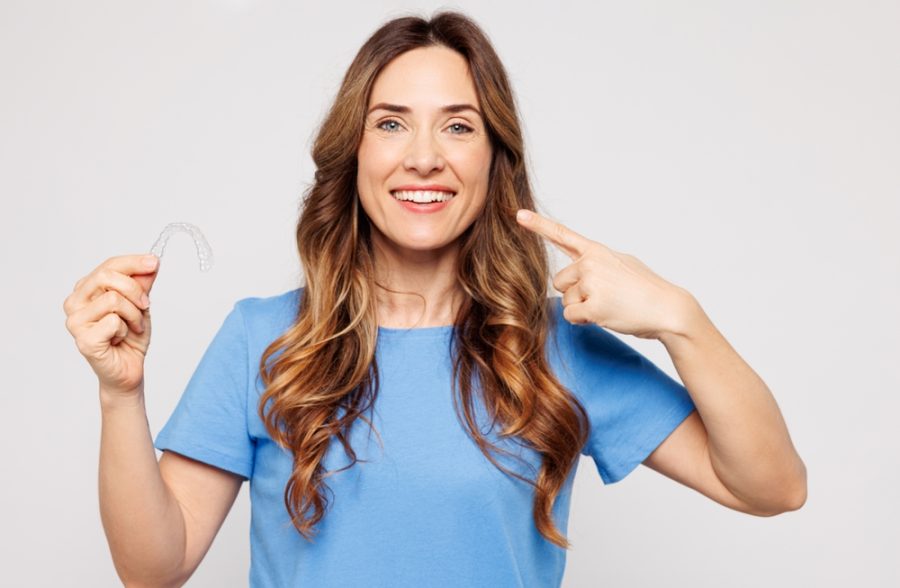
Orthodontic treatment has evolved significantly over the years, giving patients more choices than ever before. In 2026, both traditional braces and Invisalign continue to be among the most popular orthodontic solutions for kids, teens, and adults looking to improve their smiles. While both treatments are highly effective, each option offers unique advantages depending on a person’s lifestyle, dental condition, and treatment goals.
Many patients wonder whether braces or Invisalign is the better choice for them or their children. The answer often depends on factors such as orthodontic complexity, appearance preferences, comfort, maintenance habits, and budget considerations.
What Are Traditional Braces?
Traditional braces use metal brackets and wires to gradually move teeth into proper alignment over time. Modern braces have become smaller, more comfortable, and more effective than older orthodontic systems used decades ago.
Braces remain one of the most reliable orthodontic treatments for correcting both simple and complex dental alignment issues.
Common Problems Braces Can Correct
- Severe crowding
- Overbite
- Underbite
- Crossbite
- Open bite
- Gaps between teeth
- Rotated teeth
- Jaw alignment problems
Because braces are fixed to the teeth, they work continuously throughout treatment and do not rely on patient compliance as much as removable aligners.
What Is Invisalign?
Invisalign uses a series of clear, removable aligners that gradually shift teeth into place. The aligners are custom-made for each patient using advanced digital scanning and treatment planning technology.
One of the biggest reasons Invisalign has grown in popularity is its discreet appearance. The clear aligners are difficult to notice, making them especially appealing for teens and adults who want a more subtle orthodontic option.
How Invisalign Works
Patients wear each set of aligners for approximately one to two weeks before switching to the next set in the series. The aligners apply controlled pressure to specific teeth to guide movement gradually.
For Invisalign treatment to succeed, patients usually need to wear the aligners for 20 to 22 hours per day.
Appearance Differences Between Braces and Invisalign
One of the largest differences between braces and Invisalign is visibility.
Braces
Traditional braces are visible because brackets and wires are attached to the teeth. While modern braces are more streamlined than before, they are still noticeable when speaking or smiling.
Invisalign
Invisalign aligners are clear and much less visible. Many people may not even realize someone is wearing them. This makes Invisalign especially attractive for professionals, college students, and image-conscious teens.
Comfort Comparison
Both braces and Invisalign involve some level of discomfort as teeth move into alignment, but the experience can differ.
Braces Comfort
Braces may sometimes irritate the inside of the cheeks or lips, especially after adjustments. Wires and brackets can occasionally create sore spots during treatment.
Invisalign Comfort
Invisalign aligners are smooth and custom-fitted, which often makes them more comfortable for many patients. However, there may still be pressure or soreness when switching to a new aligner tray.
Eating and Food Restrictions
Braces
Patients with braces usually need to avoid certain foods that could damage brackets or wires.
Foods commonly restricted with braces include:
- Hard candy
- Popcorn
- Sticky candy
- Ice
- Chewy foods
- Hard nuts
Food can also become trapped around braces, requiring careful cleaning after meals.
Invisalign
One of Invisalign’s biggest advantages is flexibility with eating. Patients remove the aligners before meals, meaning there are generally no food restrictions.
Patients can continue enjoying foods they normally eat as long as they brush before placing the aligners back in their mouth.
Oral Hygiene and Cleaning
Braces
Cleaning around brackets and wires can be more challenging. Patients often need special flossers or orthodontic cleaning tools to maintain proper oral hygiene during treatment.
Poor cleaning habits while wearing braces can increase the risk of plaque buildup and cavities.
Invisalign
Invisalign makes brushing and flossing easier because the aligners are removable. Patients can maintain their normal oral hygiene routine without working around brackets or wires.
However, aligners themselves also need regular cleaning to prevent odor and bacteria buildup.
Treatment Effectiveness
Both braces and Invisalign are highly effective orthodontic systems when used correctly.
When Braces May Be Better
Traditional braces are often recommended for more severe or complicated orthodontic cases, including significant bite problems or major tooth rotations.
Braces provide orthodontists with greater control over complex tooth movements.
When Invisalign May Be Better
Invisalign can be an excellent option for mild to moderate orthodontic concerns and for patients who want a discreet treatment experience.
Advancements in Invisalign technology have made it capable of treating many cases that previously required braces.
Which Option Works Better for Kids?
Braces are still commonly recommended for younger children because they do not rely heavily on patient responsibility. Since braces stay attached to the teeth, treatment continues full-time.
Some younger patients may accidentally lose or forget to wear Invisalign aligners, which can delay progress.
That said, Invisalign First and teen aligner systems have become increasingly popular for responsible younger patients who can follow wear instructions consistently.
Which Option Works Better for Teens?
Many teens enjoy Invisalign because of its nearly invisible appearance and ability to remove aligners during sports, photos, or social events.
However, braces may still be the better option for teens who may struggle with remembering to wear aligners consistently.
The right choice often depends on the teen’s maturity level, treatment needs, and lifestyle.
Which Option Works Better for Adults?
Adults frequently choose Invisalign because it fits more comfortably into professional and social environments. Many adults appreciate being able to straighten their teeth discreetly without metal brackets.
At the same time, adult patients with more advanced orthodontic problems may still achieve better results with braces.
Treatment Time
Treatment length varies depending on the severity of the orthodontic condition and patient compliance.
Some Invisalign cases may be completed faster than braces, while complex cases with either treatment may take multiple years.
Consistent aligner wear is critical for Invisalign success. Patients who frequently remove aligners or fail to wear them enough may experience delayed treatment.
Cost Differences in 2026
The cost of braces and Invisalign in 2026 can vary depending on treatment complexity, treatment length, and geographic location.
In many cases, Invisalign and braces are similarly priced, though some complex Invisalign cases may cost slightly more due to advanced digital treatment planning and aligner manufacturing.
Many orthodontic offices offer flexible payment plans and financing options to help families make treatment more affordable.
How to Decide Between Braces and Invisalign
Choosing between braces and Invisalign often comes down to several key factors:
- The complexity of the orthodontic issue
- Age and responsibility level
- Appearance preferences
- Lifestyle needs
- Budget considerations
- Comfort preferences
- Oral hygiene habits
An orthodontic consultation is the best way to determine which treatment option fits your needs.
How We Can Help
At My LA Braces, we proudly provide advanced orthodontic care for kids, teens, and adults throughout Montebello and East Los Angeles. As one of the highest-ranked orthodontic offices in East Los Angeles, our team focuses on personalized treatment plans designed around each patient’s smile goals and lifestyle.
We offer both traditional braces and Invisalign treatment options using modern orthodontic technology to create healthy, confident smiles. Whether you are looking for discreet clear aligners or comprehensive braces treatment for complex orthodontic concerns, our office can help guide you toward the right solution.
Our experienced team takes the time to explain your options, answer questions, and build a treatment plan that works for your needs and budget. If you are considering braces or Invisalign in 2026, My LA Braces is here to help you achieve the smile you deserve.