
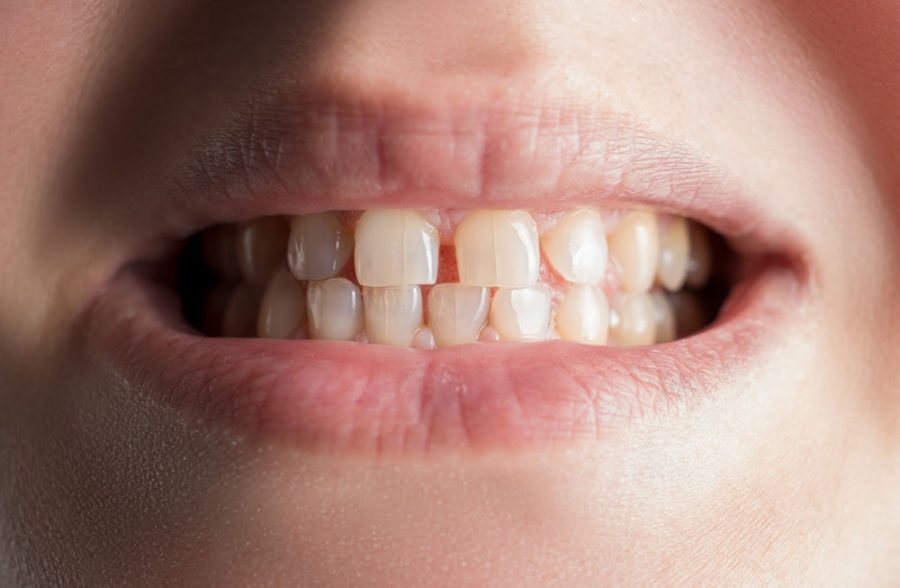
A gap between the two front teeth can be one of the most noticeable features of a smile. Some people like the way it looks and choose to keep it. Others feel self-conscious about the space and want to know whether orthodontic treatment can close it. The good news is that, in many cases, braces can successfully close a gap between the front teeth and create a more balanced smile.
Orthodontists refer to a space between two teeth as a diastema. A diastema can occur anywhere in the mouth, but the term is commonly associated with a gap between the upper two front teeth. These spaces can be small and subtle or wide enough to affect the overall appearance of the smile.
At My LA Braces in Montebello, CA, we treat children, teenagers, and adults with a variety of spacing and alignment concerns. Both traditional braces and Invisalign may be options for closing front tooth gaps, depending on what is causing the space and how the surrounding teeth and bite are positioned.
Understanding the cause of the gap is important because closing the space is only one part of orthodontic treatment. The goal is also to make sure the teeth remain stable, the bite functions properly, and the chance of the gap reopening is minimized.
Can Braces Really Close a Gap Between the Front Teeth?
Yes. Traditional braces are commonly used to close gaps between teeth, including a space between the two upper front teeth. Braces apply controlled pressure to the teeth over time, gradually moving them into new positions.
Brackets are bonded to the teeth and connected with an orthodontic wire. The orthodontist adjusts the system throughout treatment so the teeth move in carefully planned directions. When a front tooth gap is part of a broader spacing or alignment problem, braces can close the space while also correcting the position of the surrounding teeth.
The amount of time needed to close a gap depends on several factors, including the size of the space, the position of neighboring teeth, the patient's bite, the health of the gums and supporting bone, and whether other orthodontic problems need to be corrected at the same time.
A small front tooth gap may begin changing relatively early in treatment, but that does not necessarily mean orthodontic treatment is finished as soon as the space disappears. The orthodontist may still need to adjust the roots of the teeth, improve the bite, correct rotations, or create proper spacing throughout the rest of the mouth.
Why Do Some People Have a Gap Between Their Front Teeth?
There is no single reason why a person develops a front tooth gap. Some gaps are primarily related to genetics and normal dental development, while others are associated with tooth size, jaw size, oral habits, or soft tissue between the teeth.
Common causes can include:
- A natural difference between the size of the teeth and the size of the jaw
- Teeth that are relatively small compared with the dental arch
- Missing teeth that allow neighboring teeth to shift
- Extra space created during childhood dental development
- A prominent or unusually positioned labial frenum
- Thumb sucking or other prolonged oral habits
- Tongue pressure against the front teeth
- Periodontal disease that has caused teeth to move
- Differences in tooth position or eruption
- Genetic factors affecting tooth and jaw development
Because the same visible gap can have very different causes, an orthodontic evaluation is important before deciding on treatment.
What Is the Labial Frenum and Can It Cause a Front Tooth Gap?
The labial frenum is the small band of tissue that connects the inside of the upper lip to the gum tissue above the front teeth. Everyone has a frenum, but its size, thickness, and attachment point vary from person to person.
In some patients, the frenum extends farther down between the two upper front teeth and may contribute to persistent spacing. This is sometimes called a high or prominent frenum attachment.
When orthodontists evaluate a front tooth gap, they look at whether the frenum may be contributing to the space or making the gap more likely to reopen after orthodontic treatment.
Some patients with this type of anatomy may be evaluated for a procedure called a frenectomy, which modifies or removes part of the frenum. However, not every front tooth gap requires a frenectomy. The decision depends on the individual patient and should be coordinated with the orthodontic treatment plan.
The timing can also matter. In many cases, orthodontists prefer to move the teeth closer together first and then determine whether the frenum needs additional treatment.
Can Invisalign Close a Front Tooth Gap Too?
Yes. Invisalign can often close gaps between teeth, including spaces between the front teeth. Clear aligners work by applying controlled pressure to move the teeth according to a digitally planned sequence.
The aligners are removable and transparent, which makes them appealing to many teenagers and adults who want a less noticeable orthodontic treatment option.
For straightforward spacing cases, Invisalign may be particularly effective. However, the suitability of clear aligners depends on the complete orthodontic situation rather than the presence of the gap alone.
A patient may have a visible gap but also have rotated teeth, an overbite, an underbite, a crossbite, or other alignment issues. The orthodontist must determine whether Invisalign can achieve all of the necessary movements predictably.
Small tooth-colored attachments may also be placed on certain teeth during Invisalign treatment. These attachments help the aligners grip the teeth and provide better control over specific movements.
Are Braces or Invisalign Better for Closing a Gap?
Both braces and Invisalign can be effective for closing front tooth gaps. The better option depends on the patient's specific orthodontic needs, age, lifestyle, bite, treatment goals, and ability to follow instructions.
Traditional braces remain one of the most predictable and versatile orthodontic systems. Because they stay attached to the teeth throughout treatment, they provide continuous force and do not depend on the patient remembering to put them back in.
Invisalign offers greater flexibility because the aligners can be removed for eating, brushing, and flossing. However, they must be worn according to the orthodontist's instructions. Patients who frequently remove their aligners or do not wear them consistently can slow down treatment.
The appearance of the appliance is another consideration. Adults and older teenagers sometimes prefer Invisalign because the clear aligners are less noticeable during normal conversation and daily activities.
From an orthodontic perspective, the decision should focus on which system is most appropriate for achieving stable and healthy tooth movement.
How Long Does It Take for Braces to Close a Front Tooth Gap?
There is no universal timeline because every gap is different. A small space may begin to close relatively quickly once orthodontic forces are applied. A larger gap or more complicated spacing problem may require additional time.
The total treatment period also depends on whether the gap is the only issue being treated.
For example, a patient might have a front tooth gap combined with crowded lower teeth, a deep bite, rotated teeth, or a significant overjet. Even if the front gap closes early, treatment usually continues until the overall bite and tooth positions have been corrected.
Orthodontists also consider root position. Two teeth can appear to touch at the crowns while their roots remain improperly positioned. Careful root alignment can help improve stability and reduce the possibility that the space will reopen.
This is one reason patients should not judge orthodontic progress solely by whether a visible gap has disappeared.
Can a Front Tooth Gap Close on Its Own?
Sometimes, especially in children.
During normal dental development, children may temporarily have a gap between their upper front teeth. As additional permanent teeth erupt, particularly the canine teeth, the front teeth may naturally move closer together.
For this reason, orthodontists do not automatically treat every childhood front tooth gap immediately.
The patient's age, dental development, size of the gap, eruption pattern, and bite all influence whether observation or orthodontic treatment is appropriate.
A persistent gap in an older teenager or adult is less likely to close spontaneously. At that stage, orthodontic treatment is generally required if the patient wants the space reduced or eliminated.
Can a Gap Come Back After Braces?
Yes. Teeth naturally have some tendency to move after orthodontic treatment, and spaces between the front teeth can be particularly prone to reopening in certain patients.
This does not mean that braces failed. Tooth movement does not stop permanently once orthodontic appliances are removed. The tissues around the teeth need time to stabilize, and natural forces from the lips, tongue, chewing, and oral habits continue throughout life.
Retention is therefore an essential part of orthodontic care.
After braces or Invisalign, patients are generally prescribed retainers to help keep the teeth in their corrected positions.
Depending on the case, an orthodontist may recommend:
- A removable clear retainer
- A traditional removable retainer
- A fixed retainer bonded behind the front teeth
- A combination of fixed and removable retention
Patients with a history of front tooth spacing may require especially consistent retainer use because the tissue between the teeth can contribute to relapse.
What Is a Permanent Retainer?
A permanent retainer, also called a bonded or fixed retainer, is a thin orthodontic wire attached to the back surfaces of the teeth. It is commonly placed behind the lower front teeth and may also be used behind the upper front teeth in selected patients.
Because the wire is bonded to the teeth, the patient does not need to remember to insert it every night. This can make fixed retention particularly useful for patients whose front tooth gap has a higher chance of reopening.
However, fixed retainers still require maintenance. Patients must clean around the wire carefully and attend regular dental visits so that plaque and tartar do not accumulate around the bonded areas.
Retainers can also become loose or damaged over time. If that happens, the patient should contact the orthodontic office rather than waiting for the teeth to shift.
Can a Front Tooth Gap Be Too Large for Braces?
Braces can close many types of spaces, but a very large gap may require additional planning.
Sometimes the issue is not simply that the teeth have moved apart. The teeth themselves may be unusually small, a permanent tooth may be missing, or the dental arch may contain more space than can be closed while maintaining proper tooth proportions and bite function.
In those situations, the orthodontist may intentionally reposition the teeth to create ideal spaces for restorative dental treatment rather than closing every space completely.
For example, a patient who was born without certain permanent teeth may need orthodontic treatment to either close those spaces or redistribute them so a dentist can later restore the missing teeth appropriately.
This is why orthodontic treatment is based on overall proportions rather than simply pushing every tooth together.
Do I Need Dental Bonding or Veneers Instead of Braces?
Dental bonding and veneers can sometimes change the appearance of a front tooth gap, but they serve a different purpose from orthodontic treatment.
Orthodontics moves the actual teeth. Bonding and veneers change the visible shape or width of the teeth.
If the teeth are already in good positions and the gap exists because the teeth are naturally narrow, cosmetic bonding may sometimes be an option. A dentist can add tooth-colored composite material to the sides of the teeth to make them appear wider and reduce the visible space.
Veneers can also alter tooth shape and proportions, although they generally involve a more significant restorative treatment.
For other patients, orthodontics may be a better choice because the gap is caused by tooth position rather than tooth shape.
Some patients benefit from a combination of orthodontics and cosmetic dentistry. Braces or Invisalign can first place the teeth in healthier positions, and bonding can then refine the proportions of teeth that are unusually small.
Can Gum Disease Cause Gaps Between the Front Teeth?
Yes. A new gap that develops during adulthood should be evaluated, particularly if the teeth previously touched.
Advanced periodontal disease can damage the bone and tissues that support the teeth. As support is lost, teeth may begin to move, tilt, or spread apart.
When periodontal disease contributes to spacing, simply placing braces on the teeth without addressing gum health first may not be appropriate.
Patients may need periodontal treatment before orthodontic tooth movement is considered. Orthodontists frequently coordinate care with general dentists and periodontists in these situations.
The National Institute of Dental and Craniofacial Research provides additional information about gum disease, including symptoms and the importance of maintaining healthy tissues around the teeth.
Can Thumb Sucking Create a Gap Between the Front Teeth?
Prolonged thumb or finger sucking can affect the development of the teeth and jaws, particularly when the habit continues as permanent teeth begin to erupt.
The pressure from the thumb can push the upper front teeth forward and influence the position of the lower teeth. This can contribute to spacing, excessive overjet, or an open bite.
Not every child who sucks a thumb will develop a significant orthodontic problem. The effect depends on how frequently the habit occurs, how forcefully the child sucks, and how long the habit continues.
If a persistent habit is affecting dental development, an orthodontist can evaluate the bite and discuss appropriate treatment or habit-management options.
Does Closing a Front Tooth Gap Hurt?
Orthodontic tooth movement can cause temporary soreness or pressure, especially after braces are first placed, wires are adjusted, or a new set of Invisalign aligners is started.
The sensation is generally related to pressure on the teeth as the surrounding tissues respond to orthodontic forces.
Patients may notice that biting into firm foods feels uncomfortable for a short period. The discomfort typically decreases as the mouth adjusts.
Closing a gap itself does not usually feel different from other orthodontic tooth movements. The orthodontist controls the amount and direction of force so the teeth move gradually rather than being forced together suddenly.
What Happens During an Orthodontic Consultation for a Front Tooth Gap?
An orthodontic consultation looks beyond the visible space. The orthodontist examines the entire mouth to determine why the gap exists and whether other alignment or bite problems are present.
The evaluation may include photographs, X-rays, digital scans, and an examination of the way the upper and lower teeth meet.
The orthodontist may evaluate:
- The width of the gap
- The size and shape of the front teeth
- The position of the tooth roots
- The patient's bite
- The position of the labial frenum
- Whether any permanent teeth are missing
- Overall spacing throughout the dental arches
- Gum and bone health
- The patient's age and stage of dental development
Once these factors are understood, the orthodontist can recommend whether braces, Invisalign, monitoring, restorative treatment, or a combination of approaches would be most appropriate.
Is It Worth Fixing a Small Gap?
That decision is personal.
A small front tooth gap is not automatically unhealthy. Some people consider it part of their appearance and have no desire to change it. If the bite is healthy and the space does not create functional problems, treatment may be primarily cosmetic.
Other patients feel that even a small gap draws attention whenever they smile, speak, or appear in photographs. For them, orthodontic treatment can make a meaningful difference in confidence.
The orthodontist's role is to determine whether there is a dental reason for treatment, explain the available options, and help the patient understand what can realistically be achieved.
What Should I Realistically Expect From Braces for a Front Tooth Gap?
For many patients, braces can successfully close a front tooth gap and improve the alignment of the surrounding teeth. However, realistic expectations involve more than watching two teeth move closer together.
The final result depends on the underlying cause of the spacing, tooth proportions, bite alignment, root positioning, oral health, and long-term retainer use.
Patients should also expect orthodontic treatment to address the entire smile and bite rather than only one visible space. Closing a gap too quickly or without considering the rest of the mouth can create new spacing problems elsewhere or produce an unstable result.
A well-planned treatment aims to create a smile that looks balanced while also maintaining healthy tooth relationships.
How We Can Help
My LA Braces provides orthodontic treatment for children, teenagers, and adults in Montebello and throughout East Los Angeles. If a gap between your front teeth is bothering you, we can evaluate what is causing the space and determine whether braces, Invisalign, or another treatment approach is appropriate. As the highest ranked orthodontic office in East Los Angeles, we focus on creating individualized treatment plans rather than treating every gap the same way. Our team evaluates tooth position, bite alignment, tooth proportions, jaw development, and long-term stability so the goal is not simply to close the space, but to create a balanced smile that can be maintained after treatment. Whether you are considering braces for your child, Invisalign for your teenager, or orthodontic treatment as an adult, My LA Braces can help you understand what results are realistically achievable and what steps are needed to keep your smile looking its best.