
Finishing orthodontic treatment is an exciting moment. After months or years of wearing braces or Invisalign, you finally see the straight smile you worked so hard for.
But for many patients, something unexpected happens months or even years later: their teeth start moving again.
This can feel frustrating and confusing. Many people assume that once braces come off, their teeth will stay perfectly straight forever. Unfortunately, the truth is more complicated.
Teeth naturally want to shift back toward their original positions. This process is known as orthodontic relapse, and it is the reason orthodontists emphasize the importance of retainers after treatment.
We’ll explain why teeth move after braces, why retention is so important, and how you can protect your smile for the long term.
Why Do Teeth Move After Braces?
Braces and Invisalign work by applying gentle pressure to move teeth into healthier and more aligned positions. During treatment, the bone surrounding the teeth reshapes to accommodate these movements.
However, when braces are removed, the surrounding structures still need time to stabilize.
Your teeth are held in place by ligaments and bone that constantly adapt to pressure. Without retention, those tissues may slowly pull teeth back toward their previous positions.
The Memory of Your Teeth
Your mouth has something orthodontists sometimes refer to as “memory.” The periodontal ligaments that hold teeth in place can remember their old positions and may attempt to shift the teeth back.
This is especially common during the first year after braces are removed, which is why retention is critical during this period.
What Is Orthodontic Relapse?
Orthodontic relapse is the term used when teeth begin shifting back toward their original alignment after treatment.
Relapse can happen slowly and may not be noticeable at first. Over time, however, small changes can become more obvious.
Common examples include:
- Front teeth becoming slightly crowded again
- A small gap reopening between teeth
- Minor bite changes returning
- Lower teeth shifting inward
These changes may seem small initially, but they can gradually affect the appearance and function of your smile.
The Retention Phase of Orthodontic Treatment
Many people believe orthodontic treatment ends when braces are removed. In reality, that moment marks the beginning of another important phase called retention.
The retention phase is designed to stabilize the teeth in their new positions while the surrounding bone and tissues adapt.
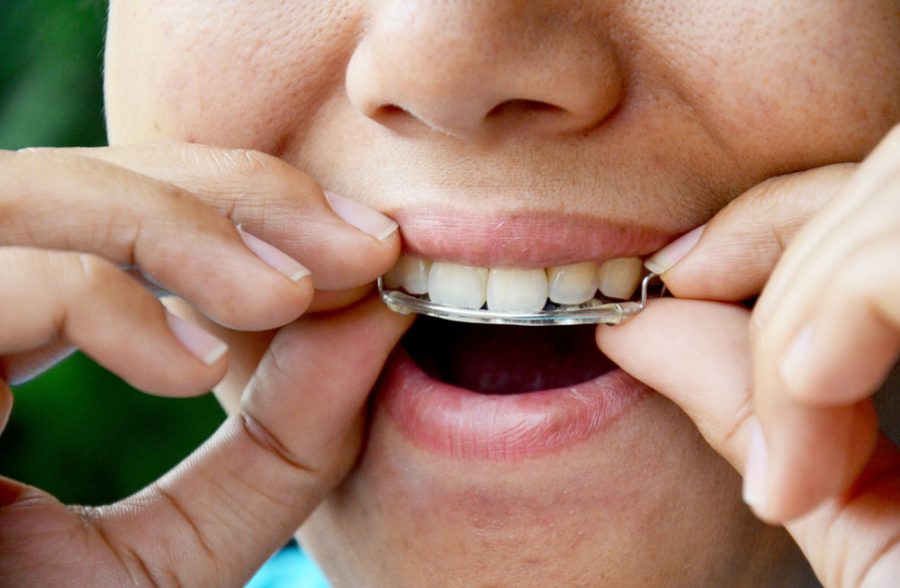
This is done using retainers, which help hold the teeth in place and prevent unwanted movement.
Why Retainers Are So Important
Retainers are one of the most important tools for maintaining your orthodontic results.
They work by keeping your teeth in their corrected positions while your bone strengthens around them.
Without retainers, even perfectly aligned teeth can slowly drift out of place.
Retainers Help Prevent:
- Teeth shifting after braces
- Crowding returning
- Gaps reopening
- Bite problems reappearing
Wearing retainers as instructed by your orthodontist is the best way to protect your smile long-term.
Why Lower Teeth Are More Likely to Shift
One of the most common relapse areas is the lower front teeth.
This area of the mouth is particularly prone to movement because of natural pressure from the tongue, lips, and chewing forces.
Even small daily pressures can gradually shift teeth over time.
Because of this, many orthodontists recommend long-term retainer use for lower teeth.
Other Reasons Teeth Can Move After Braces
Retention is the biggest factor in maintaining orthodontic results, but several other factors can also influence tooth movement.
Natural Aging
As we age, subtle changes occur in the jaw and facial structure. These changes can slowly affect tooth alignment.
Teeth Grinding
Grinding or clenching teeth can place pressure on the bite and contribute to movement.
Wisdom Teeth Pressure
Although research is mixed, wisdom teeth can sometimes contribute to crowding in certain cases.
Not Wearing Retainers Consistently
The most common reason teeth shift after braces is simply not wearing retainers as recommended.
How Long Do You Need to Wear Retainers?
This is one of the most common questions orthodontists hear.
The honest answer is that retainer use is often a long-term commitment.
Most orthodontists recommend:
- Wearing retainers full-time for several months after braces
- Transitioning to nighttime wear
- Continuing nighttime retainer use indefinitely
Think of retainers as insurance for your smile. Just like brushing and flossing protect your teeth from cavities, retainers protect them from shifting.
Signs Your Teeth May Be Shifting
If you have finished orthodontic treatment, there are a few signs that may indicate your teeth are starting to move.
- Your retainer suddenly feels tighter than usual
- You notice slight crowding in front teeth
- Small gaps appear between teeth
- Your bite feels slightly different
If you notice these changes early, your orthodontist may be able to correct them quickly before they become more noticeable.
What Happens If Teeth Shift Too Much?
If relapse becomes more significant, orthodontic retreatment may be necessary to restore alignment.
The good news is that retreatment is often much shorter and easier than the original treatment.
Many patients can correct minor relapse with:
- Short-term Invisalign treatment
- Minor orthodontic adjustments
- Updated retainers
The key is addressing the issue early before the movement becomes more advanced.
The Good News About Retention
Although tooth movement after braces is common, it is also highly preventable.
Patients who consistently wear their retainers and attend regular orthodontic checkups typically maintain their results for many years.
Retention is simply the final step in protecting the investment you made in your smile.
How we can help
At My LA Braces, we provide advanced orthodontic care for kids, teens, and adults throughout Montebello and East Los Angeles. As the highest ranked orthodontic office in East Los Angeles, we focus on creating long-lasting results and guiding patients through every stage of orthodontic treatment.
Our team offers personalized treatment plans using braces and Invisalign, and we carefully monitor the retention phase to help protect your smile long after treatment is complete.
If you’ve noticed your teeth shifting after braces or have questions about retainers and long-term smile stability, our orthodontic specialists are here to help.
Schedule a consultation with My LA Braces today and let our experienced team help you maintain the confident smile you worked so hard to achieve.